
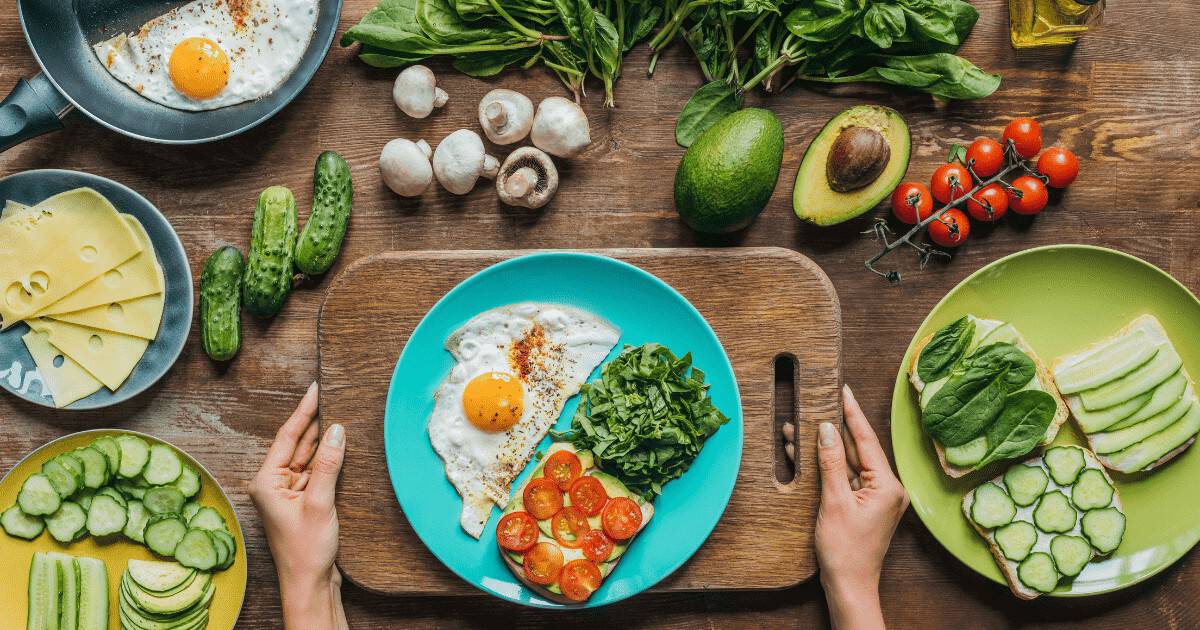
Nutrition During Pregnancy: Nourishing Yourself and Your Baby
We all understand that nutrition during pregnancy is important. Pregnancy is a time of immense growth and development for your baby, and proper nutrition is vital to ensuring that your little one gets the best possible start in life.
Not only does good nutrition help support your baby’s growth and development, it also plays an important role in keeping you healthy and feeling your best throughout your pregnancy. Eating a balanced and nutritious diet can help reduce your risk of complications such as gestational diabetes and preeclampsia, and can even help with labor and delivery.
During pregnancy, a woman’s nutritional needs increase. So, let’s break it down with some helpful guidelines on what you should try to eat:
Guidelines for nutrients:
- Protein: Lean meats, fish, beans, nuts, and dairy products provide necessary protein for both you and your growing baby.
- Calcium: Milk, cheese, yogurt, and leafy greens are rich sources of calcium essential for strong bones and teeth.
- Iron: Include lean red meat, beans, spinach, and fortified cereals in your diet to prevent anemia and ensure adequate oxygen supply to your baby.
- Folic acid: This essential nutrient is vital for preventing birth defects in the baby. You can find it in leafy greens, citrus fruits, and fortified cereals.
- Omega-3 fatty acids: These healthy fats are crucial for the baby’s brain and eye development. Fatty fish like salmon, tuna, and sardines, as well as walnuts, chia seeds, and flaxseeds, are great sources of Omega-3 fatty acids.
- Vitamin D: This helps the body absorb calcium and is important for bone health. Fatty fish, dairy products, egg yolks, shiitake mushrooms and sunshine are all great ways to get Vitamin D.
Average Suggested Weight Gain:
The average suggested weight gain during pregnancy is between 25-35 pounds, according to the American College of Obstetricians and Gynecologists (ACOG). However, this can vary dramatically depending on your pre-pregnancy weight and BMI which must be taken into account. On a personal note, I gained about 45 pounds with each of my full-term pregnancies, and the extra weight was helpful for me during my breastfeeding journey. Each person will have their own unique circumstances. It’s best to consult with your care provider to determine the appropriate weight gain for your individual needs.
Wondering where all that weight goes?
The breakdown looks something like this, but again it varies:
- Baby: 7-8 pounds
- Placenta: 1-2 pounds
- Amniotic fluid: 2 pounds
- Uterus: 2 pounds
- Breast tissue: 2 pounds
- Blood supply: 4 pounds
- Fat stores: 7 pounds
What about food aversions?
It’s common to experience food aversions during pregnancy, where certain smells or tastes make you feel nauseous or not want to eat. It’s perfectly normal and nothing to worry about. Avoiding foods that make you feel sick and finding substitutes with similar nutrients is a great way to combat food aversions.
If you are worried that morning sickness has you eating poorly, give yourself grace and hang in there. You will have time to make up for it with more nutritious choices when the nausea settles down.
Now, let’s talk about pregnancy cravings!
Understanding Your Cravings
Craving ice cream at 9pm, or pickles that seem to call your name? You’re in good company. Anywhere from 45% to 90% of pregnant women experience cravings at some point.
Some common cravings include:
- Sweet foods: Ice cream, chocolate, candy.
- Spicy foods: Chili peppers, hot sauce, curry.
- Salty foods: Potato chips, popcorn, pretzels.
- Sour foods: Pickles, lemons.
- Fruits: Oranges, strawberries, grapes.
- Carbohydrates: Bread, pasta, pizza.
It’s tempting to think your cravings mean something specific, that craving sweets means you need more carbs, or craving salty snacks means your body needs more sodium. But there isn’t strong evidence to back that up. Some cravings may be tied to shifting nutrient needs, but many are simply about comfort, hormones affecting your sense of taste and smell, or an emotional response to everything your body’s going through. It’s also not true that cravings predict your baby’s gender, or that you’re craving foods your baby will end up liking.
It’s okay to indulge your cravings and treat yourself once in a while. You are working hard growing that beautiful baby! Just remember to use moderation and offset your cravings with healthy choices.
Eating a balanced diet, staying hydrated, and taking prenatal vitamins are essential for a healthy pregnancy. Consult with your care provider or a professional dietitian for individualized advice on your nutritional needs.
A Note on Unusual Cravings
If you find yourself craving non-food items, ice, chalk, dirt, or other things that aren’t food, this is known as pica, and it’s worth mentioning to your provider. It’s not an emergency, but it can be a sign of a nutrient deficiency and usually resolves once that’s addressed.
Food Aversions
Cravings often come paired with the opposite: foods you suddenly can’t stand. This is common too, and usually comes from the same hormonal shifts affecting your sense of taste and smell. A few things that help:
- Listen to your body. It’s fine to avoid foods that feel unappealing right now.
- If you’re missing a nutrient because of an aversion, swap in something else. Not a fan of meat right now? Try beans or nuts instead.
- Try different preparations of the same food. If cooked spinach is a no, raw in a smoothie might work.
- Stick to small, frequent meals if aversions or nausea are making regular meals hard.
Wishing you a happy and healthy pregnancy!

Christie Rinder is the founder of Buddha Belly Doulas, Tampa Bay's original and largest doula agency. Supporting families since 2009, she's passionate about ensuring every family has the support they need during pregnancy, birth, and postpartum. She believes in helping women recognize their own inner wisdom, strength and power.
Having served as President of the Tampa Bay Birth Network for six years and 17 years serving families as a birth doula, she has a reputation for leadership, dedication and compassion. A childbirth educator, certified lactation counselor as well as a certified doula, she makes a point of ensuring mothers and their partners understand all their birthing options and what to expect on their journey. > learn more about Christie


Enjoy our popular guides to all things pregnancy, birth, postpartum and baby.

Tampa Pregnancy Guide
Your pregnancy journey is uniquely yours — and the right information makes all the difference. From first trimester essentials to...

Your Guide to Hiring a Doula
A doula can be a game-changer — but knowing where to start isn't always easy. This guide walks you through...
Labor & Birth Preparation Guide
Birth looks different for every family — and thoughtful preparation makes all the difference. Learn the basics of creating a...

Postpartum Recovery Guide
The weeks after birth are transformative — and often the least talked about. This Understand the physical and emotional sides...