
The Love Hormone: Oxytocin
Oxytocin has physical AND behavioral effects on the human body, making it one amazingly magical chemical.
(Note: oxytocin and pitocin are not the same thing. Pitocin is the synthetic version of oxytocin. It can replicate the physiologic aspects of oxytocin on the body, but not the behavioral ones.)
It’s called the “love hormone” because our bodies generate it when we are affectionately touched, massaged, hugged, during intercourse, even when we look upon someone we love. In turn, it helps us feel content, calm, secure and less anxious.
Our bodies produce oxytocin as part of human reproduction. We (hopefully) continue to feel it during pregnancy from our partner. Scientists believe the chemical to be a key aspect in monogamy and bonding.
Later in pregnancy, this hormone contracts the uterus, putting pressure on the cervix to open and dilate and squeezing the baby into the birth canal and out into the world.
After birth, oxytocin serves to contract the uterus back into its original pre-baby size.
Oxytocin makes breast milk flow. Prolactin is the chemical responsible for producing breast milk and oxytocin is the chemical that makes it actually eject from the ducts in the breast.
Our bodies make even more of the hormone as we gaze at our newborn and marvel at everything about their tiny bodies.
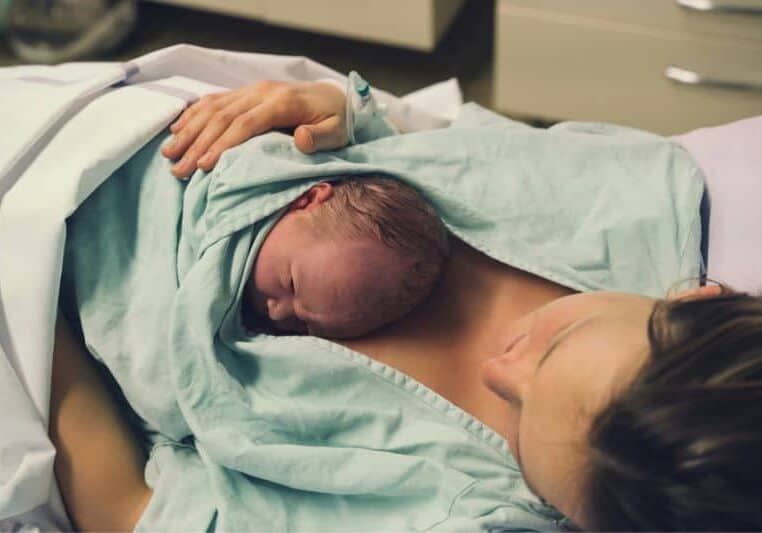
A newborn baby makes oxytocin in her own body and gets more of it in her mother’s milk, creating a strong attachment to her mother. This exchange and creation of oxytocin is further enhanced by early and lots of skin-to-skin contact.
Our partners’ bodies generate oxytocin to establish a protective, loving attitude towards his or her new family.
The more a new mother breastfeeds her baby, the more oxytocin her body will create… which is great, because oxytocin is also fabulous at healing… !!!! Seriously, is there anything this amazing chemical can’t do?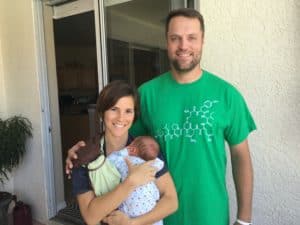
We talk a lot about oxytocin as doulas because the more that a birthing woman’s body produces, the easier, faster and less painful her labor will be. It’s great if someone she loves, ideally her partner, can help her create it through affectionate touch, encouragement and loving words. This can also come from a friend, family member or doula.
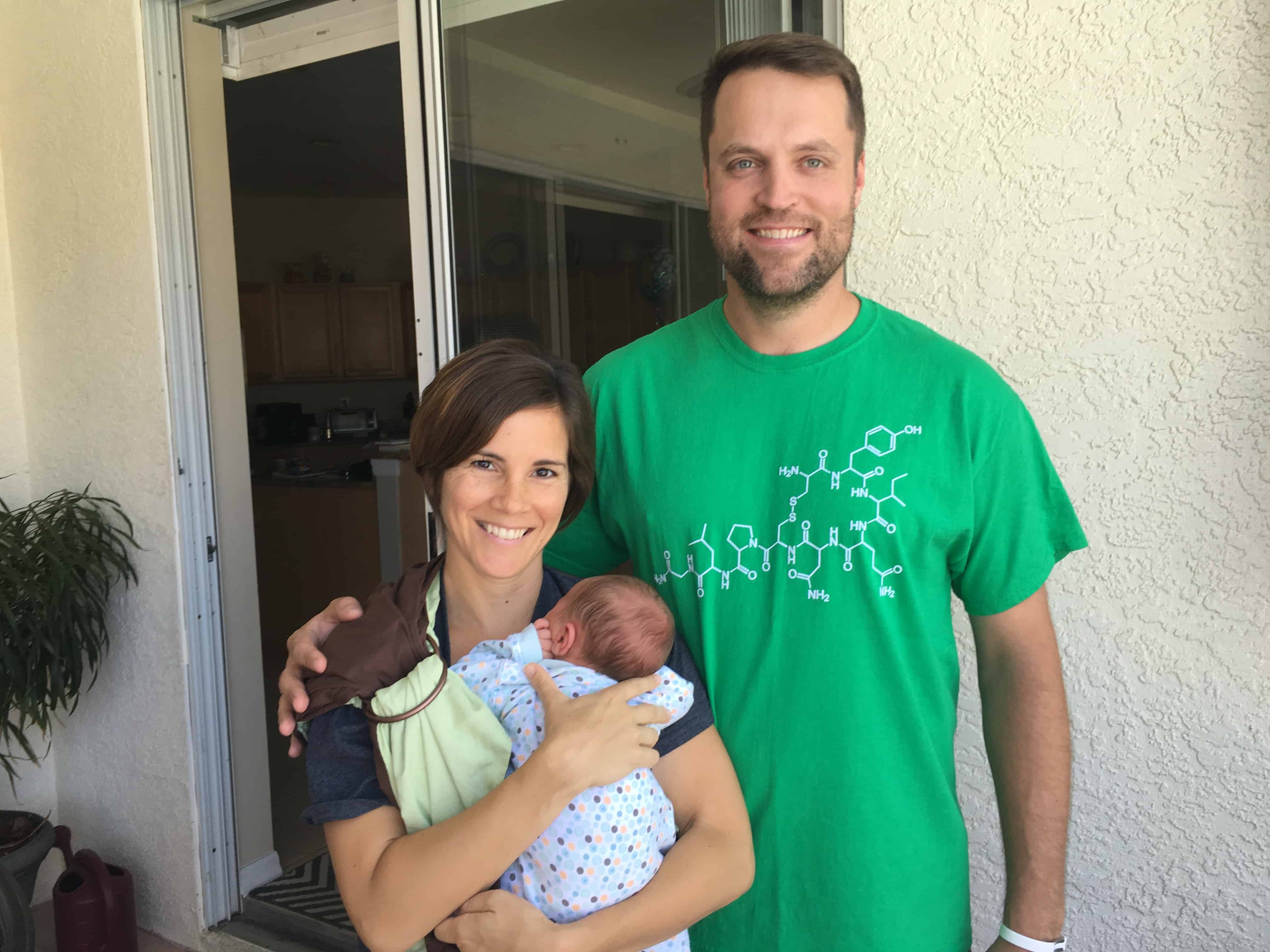
One daddy-to-be took his job as “the oxytocin generator” so seriously that he purchased and wore to his son’s birth a t-shirt with the oxytocin molecule! That’s true love.

Christie Rinder is the founder of Buddha Belly Doulas, Tampa Bay's original and largest doula agency. Supporting families since 2009, she's passionate about ensuring every family has the support they need during pregnancy, birth, and postpartum. She believes in helping women recognize their own inner wisdom, strength and power.
Having served as President of the Tampa Bay Birth Network for six years and 17 years serving families as a birth doula, she has a reputation for leadership, dedication and compassion. A childbirth educator, certified lactation counselor as well as a certified doula, she makes a point of ensuring mothers and their partners understand all their birthing options and what to expect on their journey. > learn more about Christie




Enjoy our popular guides to all things pregnancy, birth, postpartum and baby.

Tampa Pregnancy Guide
Your pregnancy journey is uniquely yours — and the right information makes all the difference. From first trimester essentials to...

Your Guide to Hiring a Doula
A doula can be a game-changer — but knowing where to start isn't always easy. This guide walks you through...
Labor & Birth Preparation Guide
Birth looks different for every family — and thoughtful preparation makes all the difference. Learn the basics of creating a...

Postpartum Recovery Guide
The weeks after birth are transformative — and often the least talked about. This Understand the physical and emotional sides...